Run your hand along the flex duct collar in a Deltona attic built before 2000 and you'll often feel it — the soft give where the connection has separated, the gap where conditioned air has been escaping for years. We've done that walk in hundreds of homes across Volusia County, and the pattern is consistent enough that we stopped being surprised by it a long time ago.
Attic temperatures here regularly hit 130 degrees in summer. That heat attacks the strap fittings and tape joints holding flex duct connections together, particularly on systems installed in the 1980s and 1990s when sealing standards were minimal. When those connections fail, your HVAC system keeps running — it just sends a portion of the air it produces directly into the attic rather than the room you're trying to cool. Duke Energy charges you for all of it.
Aeroseal HVAC air duct sealing fixes that problem from the inside. A technician pressurizes the duct system and introduces a water-based sealant mist. The physics carry sealant particles to every leak point and bond them there, including joints behind drywall and deep in attic runs that no technician can physically reach by hand. The job ends with a computerized report documenting your leakage rate before the work and after — measured numbers, printed on the spot, in your hands before we leave.
TL;DR Quick Answers
Air Duct Sealing in Deltona
Air duct sealing in Deltona closes the gaps in your home's duct system that bleed conditioned air into unconditioned attic space before it ever reaches a living room. In Volusia County homes built before 2005 — the majority of Deltona's residential housing stock — flex duct connections have spent two decades cycling through 130-degree summer attic heat. That heat degrades the tape, straps, and fittings holding those connections together, and the losses show up directly on Duke Energy bills.
What it is: A professional process — most commonly performed using Aeroseal technology — that pressurizes the duct system and bonds sealant particles at every leak point from the inside, including joints behind drywall and deep in attic runs no technician can reach by hand.
What Deltona homeowners gain:
Lower Duke Energy bills from a system that's no longer compensating for air it's losing mid-delivery
More consistent room temperatures, including rooms that never felt right despite thermostat adjustments
Fewer attic contaminants — insulation particles, humidity, and dust — entering the supply stream on every cycle
A computerized before-and-after leakage report documenting exactly what was sealed and by how much
Typical timeline: Three to eight hours in most Deltona single-family homes. The home stays occupied throughout.
Top Takeaways
Homes built before 2005 in Deltona carry the highest duct leakage risk. Flex duct installations from that era commonly show leakage rates well above 20 percent of total system airflow, a loss that registers directly on Duke Energy monthly statements.
Aeroseal seals from the inside, bonding sealant particles at every leak point the pressurized system can reach. That includes joints behind drywall and deep attic duct connections that manual tape-and-mastic approaches can't access without tearing out walls.
Leaky return ducts in homes with attic duct systems create negative pressure that pulls attic air directly into the HVAC supply stream on every cycle — insulation fibers, dust, and humidity included. In Deltona's climate, that contamination cycle runs twelve months a year.
Every Aeroseal job ends with a computerized verification report. It documents measured leakage before and after sealing, giving you a written record of what was fixed — something no manual duct sealing job produces.
Aeroseal HVAC duct sealing costs in Deltona vary based on home size and existing leakage levels. A no-obligation estimate requires a look at the actual duct system. Any company quoting a flat price before running a diagnostic is telling you something worth knowing.
Why Deltona HVAC Systems Lose Efficiency Through Duct Leakage
We've worked on duct systems throughout Volusia County long enough to recognize the pattern. Homes built during Deltona's primary growth period, the late 1980s through the early 2000s, were typically equipped with flex ducts installed in vented attic spaces. Flex duct was affordable and fast to run, but its connections at collars, boots, and junction points depend on friction, straps, and tape to hold. None of those materials hold indefinitely in an attic that cycles between cool winter air and 130-degree summer heat year after year.
What that means for you is that the air your HVAC system produces, paid for by your Duke Energy bill, is leaving the duct system before it reaches the registers. The system runs longer to hit the thermostat setpoint, burns more electricity, and still can't make the far rooms feel right. We've measured homes in the Deltona area with more than 30 percent of total system airflow leaking into the attic. That's one dollar in three on every cooling bill contributing nothing to the comfort of the living space.
How Aeroseal HVAC Duct Sealing Works
The Aeroseal process works differently from any manual sealing approach. Your technician connects pressurization equipment to the air handler, blocks each supply and return register, then brings the duct system to a controlled positive pressure and introduces a water-based sealant mist into that pressurized environment.
With the system pressurized, air pushes outward through every gap and unsealed connection. Sealant particles travel with that airflow and deposit at each leak point, gradually accumulating until the opening is sealed. That physics-based process works equally at a joint behind drywall and at a connection deep in an attic flex duct run. It doesn't require physical access to those locations. Manual mastic-and-tape methods do — a connection buried in blown insulation or inside a wall cavity simply doesn't get addressed.
What the Service Process Looks Like in a Deltona Home
The process begins with a diagnostic walk-through. Your technician measures existing duct leakage using pressure testing equipment and reviews the duct system layout with you. That baseline measurement establishes the pre-sealing leakage rate and becomes the first data point on your verification report.
With the diagnostic complete, your technician covers the registers, connects the pressurization equipment to the air handler, and begins the sealant injection phase. Your home stays fully occupied throughout. Pets, infants, and anyone with significant respiratory sensitivities should be out of the house during the active injection phase and for one to two hours afterward — this is a standard preparation step any qualified HVAC air duct sealing company in Deltona should communicate before the appointment, not on the day of service.
After sealing, your technician depressurizes the system, re-tests it, and records the post-sealing leakage measurement alongside the baseline. Your computerized report gets generated on the spot. It documents both numbers and the percentage of leakage eliminated, giving you a verifiable record of the work performed.
Choosing a Qualified HVAC Air Duct Sealing Company in Deltona
Florida requires HVAC contractors to be licensed through the Department of Business and Professional Regulation. Before scheduling, verify the contractor's license at MyFloridaLicense.com. A licensed contractor will have their certification number ready on request and won't need a moment to think about it.
Beyond licensing, ask specifically about the diagnostic process. Any company quoting a flat price for Aeroseal duct sealing in Deltona before assessing your actual duct system is telling you something worth knowing. Leakage rates, duct volume, system layout, and pre-existing damage all affect what a job entails and what it costs. A quote that ignores those variables isn't a quote you should rely on.
Ask whether the job ends with a computerized verification report. That document is what separates Aeroseal HVAC duct sealing services from manual sealing work — a service with measured, documented results versus a technician's word that the job was done. In our experience, homeowners who ask for it upfront get it without friction from qualified companies, and learn something useful from companies that push back.
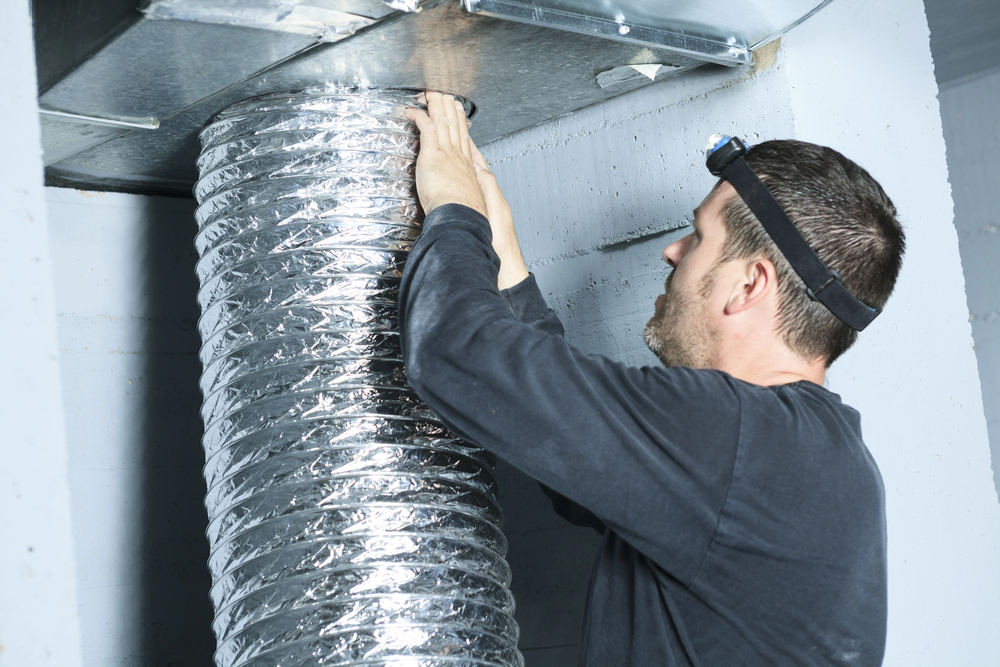
"The number that surprises most Deltona homeowners isn't the leakage rate before we seal — they can feel that in their electric bills and in the rooms that never cool right — it's the post-job report showing their duct system now holds under 5 percent, when we started the morning at 30 or higher."
Essential Resources
How to Stop Paying for Air Your HVAC System Loses Before It Reaches You
The U.S. Department of Energy's guide to minimizing duct energy losses explains why duct location, sealing, and insulation are the highest-impact factors in HVAC efficiency — and why existing duct systems so frequently fall short of design specs.
Source: energy.gov — Minimizing Energy Losses in Ducts
What Air Sealing Actually Accomplishes in a Residential HVAC System
The Department of Energy's air sealing resource breaks down where conditioned air escapes, how sealing and insulation work together, and why leakage reduction so often pays for itself in under a year.
Source: energy.gov — Air Sealing Your Home
The Case for Sealed Ducts: What ENERGY STAR's Research Shows
ENERGY STAR's duct sealing resource walks through the efficiency gains, utility savings, and indoor air quality improvements that consistently follow professionally sealed duct systems.
Source: energystar.gov — Duct Sealing
Why Leaky Ducts Cost More Than Just Energy
ENERGY STAR's benefits overview covers the financial, comfort, and safety implications of duct leakage, including how leaky return ducts can create backdrafting conditions that pull combustion gases back into the living space.
Source: energystar.gov — Benefits of Duct Sealing
What Duct Leakage Does to Your Home's Indoor Air Quality
The EPA's air duct guide covers what contaminants enter through duct leakage, how duct system condition connects to indoor air quality, and what to look for when evaluating HVAC duct sealing services.
Source: epa.gov — Should You Have the Air Ducts in Your Home Cleaned?
Why Remodeling Exposes the Real State of Your Home's Duct System
The EPA's remodeling and indoor air quality resource addresses duct sealing as a core part of maintaining healthy air in homes undergoing changes — and explains why leaky return ducts can create radon and combustion safety risks.
Source: epa.gov — Remodeling Your Home and Indoor Air Quality
Verify Your Florida HVAC Contractor's License Before Scheduling
Florida requires all HVAC contractors to be licensed through the Department of Business and Professional Regulation. Confirm any provider's current status here before the appointment goes on the calendar — it takes under a minute.
Source: MyFloridaLicense.com — Florida HVAC Contractor License Lookup
Supporting Statistics
Leaky Ducts Cut HVAC Efficiency by Up to 20 Percent
ENERGY STAR's duct sealing research shows that leaky ducts can reduce heating and cooling system efficiency by as much as 20 percent. For Deltona homeowners running HVAC equipment nearly year-round, sealing is one of the most direct actions available on the energy side of the bill.
Source: energystar.gov — Benefits of Duct Sealing
About 20 Percent of Conditioned Air Is Lost in a Typical Home
In a typical house, about 20 percent of the air moving through the duct system is lost before it reaches a living space, due to leaks, holes, and poor duct connections. In Deltona homes built during the area's peak residential growth period, we've measured leakage well above that average before sealing.
Source: energystar.gov — HVAC Fact Sheet
Aeroseal-Based Sealing Reduces Air Leakage by 60 to 85 Percent
DOE research into aerosol-based sealing demonstrated that the process reduced air leakage by 60 to 85 percent across demonstration homes. The computerized report that comes with every Aeroseal job documents those results specifically for your home — before-and-after measurements that no manual sealing method produces.
Source: energy.gov — Aerosol Envelope Sealing of Existing Residences
Final Thoughts
We've run the before-and-after numbers on enough Deltona homes to say this plainly: the duct systems in most pre-2005 houses in this area are working against themselves. The leakage rates we measure before sealing — commonly 25 percent or more of total system airflow — aren't anomalies. They're what happens when flex duct connections age in a Volusia County attic for twenty years without ever being addressed.
Sealing those ducts pays for itself in reduced Duke Energy bills. It stops the attic contamination cycle that most homeowners don't realize is running on every HVAC cycle. And it produces a report that shows exactly what changed — not a technician's word, but measured leakage rates before and after, in writing, before we leave your driveway.
If your home was built before 2005 and you've never had a duct diagnostic, the free estimate tells you where you stand. Most homeowners are surprised by the leakage number. A few aren't. But knowing it changes what you do next — and it costs you nothing to find out.

Frequently Asked Questions
What is aeroseal HVAC air duct sealing in Deltona?
It's a pressurized interior sealing process performed by a licensed HVAC contractor. Your technician pressurizes the duct system and introduces a water-based sealant mist. That mist carries particles to every leak point, where they accumulate and seal each gap from the inside — including joints in wall cavities and attic runs that manual methods can't reach. The job ends with a computerized before-and-after leakage report, so you have documented proof of what was sealed and by how much, not just a technician's assurance.
How long do aeroseal HVAC duct sealing services take in a Deltona home?
Most single-family homes in the Deltona area are finished in three to eight hours. Larger homes or systems with complex layouts or significant pre-existing damage may take longer. Your technician will give you a realistic time window after the initial walk-through and diagnostic — not a guess made over the phone. Your home stays occupied throughout.
Is Aeroseal safe for homes with children, elderly residents, or pets?
Yes, with the standard precautions in place. Aeroseal's sealant is water-based and non-toxic once cured. During the active injection phase and for one to two hours after, infants, young children, elderly residents, and pets should be out of the home. Any qualified HVAC air duct sealing company in Deltona will tell you this before you schedule — it's part of the standard preparation, not a footnote delivered on the day of service.
Will aeroseal duct sealing help lower my Duke Energy bill in Deltona?
Yes, if duct leakage is driving your current costs — and in most Deltona homes built before 2005, it is. Homes with leakage rates above 20 percent run their HVAC equipment longer and harder to compensate for the conditioned air bleeding into the attic. Seal the leaks and the system reaches the thermostat setpoint faster, runs fewer cycles, and uses less power to hold the temperature. Your post-sealing verification report documents the leakage reduction, so you can see the before-and-after numbers yourself.
How do I verify an HVAC air duct sealing company in Deltona is licensed?
Use the official license lookup at MyFloridaLicense.com to confirm any provider's current status before you schedule. Florida HVAC contractors are licensed through the Department of Business and Professional Regulation, and every legitimate company's certification number comes back immediately on request. A company that hesitates when you ask is telling you something.
What makes aeroseal duct sealing different from standard manual duct sealing?
Manual duct sealing uses mastic or foil-backed tape applied by hand to accessible joints. It works where a technician can physically reach. Aeroseal works where they can't — using pressurization to carry sealant particles to joints inside walls, under insulation, and deep in attic duct runs. The other difference is proof. Aeroseal generates a computerized before-and-after leakage report. Manual sealing doesn't produce equivalent documentation, which means you're taking someone's word that the job was done well.
Ready to Optimize Your HVAC System With Air Duct Sealing in Deltona?
Schedule a free, no-obligation diagnostic with our team and we'll measure your duct system's actual leakage rate, show you exactly what we find, and give you a clear estimate before any work begins. There's no pressure — just the numbers your home's HVAC system has been keeping from you.
Here is the nearest branch location serving the Miami Beach FL area…
Filterbuy HVAC Solutions - Miami FL
1300 S Miami Ave Unit 4806, Miami, FL 33130
(305) 306-5027